Park City, UT

3 days / 6 sessions
Current Issues in Spine

February 2-4, 2017

8549469__original-1.jpg

December 8, 2016 OrthoSpineNews

Kleinostheim, 7 December 2016 – curasan AG, a leading specialist for medical products in the field of orthobiologics, has received the market clearance of the Food and Drug Administration (FDA) and thus the authorization to market its synthetic bone regeneration material CERASORB Ortho FOAM in the United States.

The innovative product made of resorbable ceramic and porcine collagen can now be used for bone defect treatment in extremities and pelvis on the US market as well as in all other countries where the FDA certification is recognized.  curasan has been actively preparing the market launch of the product in recent months. Back in May, Shane Ray, an experienced orthopedic regenerative medicine sales and marketing executive, was appointed as the President of the US subsidiary curasan, Inc. “The FDA approval of CERASORB Ortho FOAM is an extremely important milestone for us in the re-orientation of our US business, which will open up a potential market worth more than US$ 900 million,” emphasized Michael Schlenk, CEO of curasan AG. “Even before the approval, major customers indicated during exploratory discussions that the flexible and mouldable version of CERASORB meets the demands of the US customers  perfectly, much more so than any of our other products.”

Ahead of the market launch of the product the American subsidiary also successfully completed its structural reorganization in the fourth quarter to align the ability to be successful in dental and orthopedics business within North America. Being able to report this important strategic milestone in the fourth quarter is due to the profound expertise of our internal approval department, which was optimally prepared for the dialogue with the FDA and could answer all of their questions quickly.  I’m very proud of our team!”  

Your contact at curasan AG:
Andrea Weidner
Head of Corporate Communications
+49 6027 40 900-51
andrea.weidner@curasan.com 

Your contact at curasan Inc.:
Beth Lloyd
+001 (919) 941-9770

office@curasan.com 

About curasan AG:

curasan AG develops, manufactures and markets biomaterials and other medical products in the field of bone and tissue regeneration. A pioneer in its industry, curasan is specialized primarily on synthetic bone grafting ­materials for dental and orthopaedic applications. Numerous patents and a comprehensive list of scientific documentation prove the clinical success of the products and the highly innovative strength of curasan. Surgically active dentists, implantologists and oral, maxillary and dentofacial surgeons, as well as orthopaedics, traumatologists and spinal column surgeons worldwide benefit from the broad range of the premium quality and user-oriented portfolio offered by the technology leader. curasan maintains its own high-tech facilities for research, development and manufacturing in Frankfurt/Main, Germany, which are approved by the Food and Drug Administration (FDA) and other international authorities. In addition to its headquarters, the company has a subsidiary, curasan Inc., in the Research Triangle Park, near Raleigh, N.C., USA. The shares of curasan AG are listed in the General Standard at the Frankfurt Stock Exchange.


0926_TEXAS-PEG-2-WEB-10cvqhl-1-1200x437.jpg

December 7, 2016 OrthoSpineNews

December 2, 2016

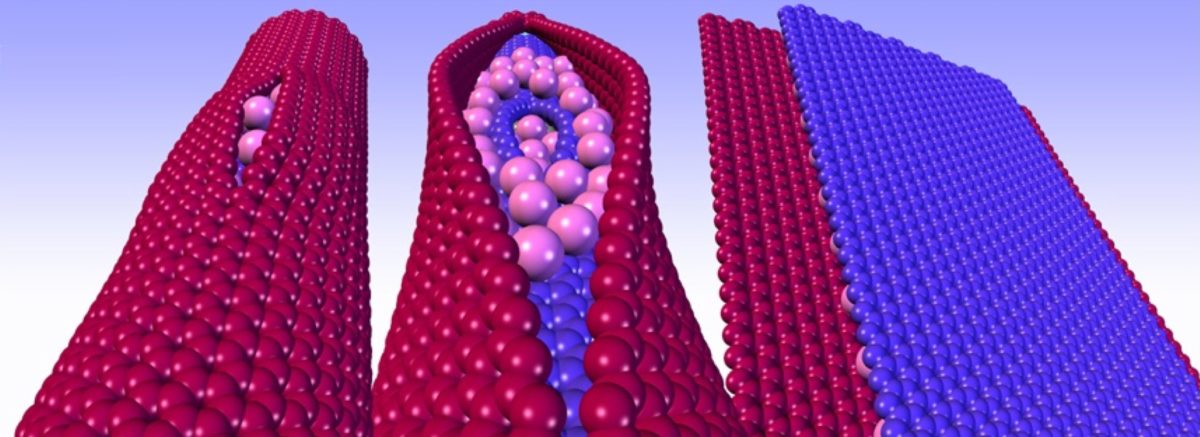
The combination of graphene nanoribbons made with a process developed at Rice University and a common polymer could someday be of critical importance to healing damaged spinal cords in people, according to Rice chemist James Tour.

The Tour lab has spent a decade working with graphene nanoribbons, starting with the discovery of a chemical process to ‘unzip’ them from multiwalled carbon nanotubes, as featured in a Nature article in 2009. Since then, the researchers have used them to enhance materials for the likes of deicers for airplane wings, better batteries and less-permeable containers for natural gas storage.

Now their work to develop nanoribbons for medical applications has resulted in a material, dubbed Texas-PEG, that may help knit damaged or even severed spinal cords.

Graphene nanoribbons customised for medical use by William Sikkema, a Rice graduate student and co-lead author of the paper, are highly soluble in polyethylene glycol (PEG), a biocompatible polymer gel used in surgeries, pharmaceutical products and in other biological applications. When the biocompatible nanoribbons have their edges functionalised with PEG chains and are then further mixed with PEG, they form an electrically active network that helps the severed ends of a spinal cord reconnect.

“Neurons grow nicely on graphene because it’s a conductive surface and it stimulates neuronal growth,” said Tour.

In experiments at Rice and elsewhere, neurons have been observed growing along graphene.

“We’re not the only lab that has demonstrated neurons growing on graphene in a petri dish,” said Tour. “The difference is other labs are commonly experimenting with water-soluble graphene oxide, which is far less conductive than graphene, or non-ribbonised structures of graphene.

“We’ve developed a way to add water-solubilising polymer chains to the edges of our nanoribbons that preserves their conductivity while rendering them soluble, and we’re just now starting to see the potential for this in biomedical applications,” he said. He added that ribbonised graphene structures allow for much smaller amounts to be used while preserving a conductive pathway that bridges the damaged spinal cords.

Tour said only one per cent of Texas-PEG consists of nanoribbons, but that’s enough to form a conductive scaffold through which the spinal cord can reconnect.

Texas-PEG succeeded in restoring function in a rodent with a severed spinal cord in a procedure performed at Konkuk University in South Korea by co-authors Bae Hwan Lee and C-Yoon Kim. Tour said the material reliably allowed motor and sensory neuronal signals to cross the gap 24 hours after complete transection of the spinal cord and almost perfect motor control recovery after two weeks.

“This is a major advance over previous work with PEG alone, which gave no recovery of sensory neuronal signals over the same period of time and only 10 per cent motor control over four weeks,”  Tour said.


EXOGEN-device.jpg

December 5, 2016 OrthoSpineNews

December 05, 2016

DURHAM, N.C.–(BUSINESS WIRE)–Bioventus, a global leader in orthobiologics, today announced that a published study reveals its latest generation EXOGEN Ultrasound Bone Healing System improves patient compliance by 10% and overall compliance never fell below 76%. EXOGEN uses safe, effective low-intensity pulsed ultrasound (LIPUS) to help stimulate the body’s natural healing process.1The findings are published in the November 30, 2016 issue of Medical Devices: Evidence and Research available here.

The next generation EXOGEN device launched in 2014 and features a compliance calendar. The study found that among 12,984 patient data files analyzed, the patient compliance was 84%, while compliance with the previous generation EXOGEN device was 74%. In addition, incorporation of the calendar feature resulted in compliance never decreasing below 76% over the 6-month analysis period.

The researchers also analyzed 12 clinical trials on LIPUS where compliance was recorded. In eight of these clinical studies, where they met their end point, compliance was 88%. If the primary end point was unmet, compliance averaged 54%.

“This study clearly shows a correlation between clinical effectiveness and compliance rates of more than 70%,” said Neill Pounder, Director – Project Management, Bioventus. “The work also revealed that use of the next generation EXOGEN device resulted in a measurable improvement in patient adherence, which may help to optimize clinical outcomes and fracture healing. LIPUS technology can make a difference if it used as directed.”

Authors of this study are N.M. Pounder, J.T Jones and K.J. Tanis of Bioventus.

About Bioventus

Bioventus is an orthobiologics company that delivers clinically proven, cost-effective products that help people heal quickly and safely. Its mission is to make a difference by helping patients resume and enjoy active lives. Bioventus has two product portfolios for orthobiologics, Bioventus Active Healing Therapies and Bioventus Surgical that make it a global leader in active orthopaedic healing. Built on a commitment to high quality standards, evidence-based medicine and strong ethical behavior, Bioventus is a trusted partner for physicians worldwide.

For more information, visit www.BioventusGlobal.com and follow the company on Twitter @Bioventusglobal

Bioventus, the Bioventus logo and EXOGEN are registered trademarks of Bioventus LLC.

1. Azuma Y, Ito M, Harada Y, Takagi H, Ohta T, Jingushi S. Low-intensity pulsed ultrasound accelerates rat femoral fracture healing by acting on the various cellular reactions in the fracture callus. J Bone Miner Res. 2001; 16(4):671-680.

Contacts

Media:
Bioventus
Thomas Hill, 919-474-6715
thomas.hill@bioventusglobal.com


cerapedics-logo-1.jpg

November 30, 2016 OrthoSpineNews

WESTMINSTER, Colo., Nov. 30, 2016 /PRNewswire/ — Cerapedics, a privately-held orthobiologics company, today announced the company has been awarded a group purchasing agreement with Premier Inc., a leading healthcare improvement company, for Breakthrough Technology: Bone Tissue Synthetic Implantable Products. The new agreement allows Premier members, at their discretion, to take advantage of special pricing and terms pre-negotiated by Premier for i-FACTOR™ Peptide Enhanced Bone Graft. The contract is effective December 1, 2016.

“We are pleased to announce our new agreement with Premier because it will help us provide a growing number of surgeons with the advanced biologic they need to stimulate a natural bone healing process in patients with degenerative cervical disc disease,” said Glen Kashuba, CEO of Cerapedics. “We look forward to the continued expansion of i-FACTOR Bone Graft commercialization into the new year.”

i-FACTOR Bone Graft is based on synthetic small peptide (P-15) technology developed by Cerapedics to support bone growth through cell attachment and activation. Supported by Level I human clinical data, i-FACTOR Bone Graft received Premarket Approval (PMA) from the U.S. Food and Drug Administration (FDA) in November 2015.

Premier unites an alliance of approximately 3,750 U.S. hospitals and 130,000 other provider organizations to transform healthcare. With integrated data and analytics, collaboratives, supply chain solutions, and advisory and other services, Premier enables better care and outcomes at a lower cost.

About Cerapedics

Cerapedics is an orthobiologics company focused on developing and commercializing its proprietary synthetic small peptide (P-15) technology platform. i-FACTOR Peptide Enhanced Bone Graft is the only biologic bone graft in orthopedics that incorporates a small peptide as an attachment factor to stimulate the natural bone healing process. This novel mechanism of action is designed to support safer and more predictable bone formation compared to commercially available bone growth factors. More information can be found at www.cerapedics.com.

Media contact:
Adam Daley
Berry & Company Public Relations
212-253-8881
adaley@berrypr.com

SOURCE Cerapedics

Related Links

http://www.cerapedics.com


acelity-artificial-muscle.jpg__800x600_q85_crop.jpg

November 25, 2016 OrthoSpineNews

By Nathan Hurst, November 22, 2016

Injury is a sad fact of military service, especially in wartime. According to a study performed by scientists at the Uniformed Services University of the Health Sciences, by far the most frequent is soft tissue injuries to skin, fat and muscle.

Of these, muscle damage is particularly difficult to heal. Beyond a certain size—about one cubic centimeter—the body simply cannot do it. As a result, people experiencing this kind of trauma, called volumetric muscle loss, lose function of the muscle, and experience deformation, scar tissue or contracted muscles.

According to a study from 2015 in the Journal of Rehabilitation Research and Development (a peer-reviewed publication put out by the Department of Veterans Affairs), volumetric muscle loss is typically permanent.

“The current primary standard of care for [volumetric muscle loss] injuries is physical rehabilitation,” says Benjamin Corona, lead author of the study. “The documented cases available do not indicate significant functional recovery unless energy returning orthoses [braces or other devices] are used. Physical rehabilitation alone will not promote regeneration of the lost tissue.”

Corona and his team of researchers looked at the records of more than 500 service members who were discharged from the military due to injuries between 2001 and 2007. They found that most broken bones sustained in combat result in open wounds, and that while the bone can often be repaired, the muscle is left damaged. Service members who sustained broken bones are often disqualified from service not because of the break, but because of disability due to the soft-tissue wound.

“Despite a tremendous amount of attention given to bone healing after type III open tibia fracture, based on the current findings it is appropriate to conclude that soft-tissue complications make the majority contribution to disability of salvaged limbs,” the authors wrote. “The development of therapies addressing [volumetric muscle loss] has the potential to fill a significant void in orthopedic care.”

Historically, the best course of treatment was to use a flap of muscle, either from a different part of the body or rotated from a connected muscle, to cover the wound. This helps to heal, but cannot provide the normal use of an uninjured muscle, and so the limb where the injury occurred is often permanently disabled.


READ THE REST HERE


cerapedics-logo.jpg

November 18, 2016 OrthoSpineNews

WESTMINSTER, Colo., Nov. 18, 2016 /PRNewswire/ — Cerapedics, a privately-held orthobiologics company, today announced it has received a Best New Technology Award for spine care as part of the 2016 Orthopedics This Week Spine Technology Awards. The award recognizes the company’s i-FACTOR™ Peptide Enhanced Bone Graft, the first bone graft to be approved for use in the cervical spine by the U.S. Food and Drug Administration (FDA WESTMINSTER). Award winners were announced in conjunction with the 2016 North American Spine Society (NASS) Annual Meeting, held October 26-29 in Boston, MA.

“Over the past year we have been focused on accelerating our commercialization efforts in the U.S. following the FDA Premarket Approval (PMA) of i-FACTOR Bone Graft,” said Glen Kashuba, CEO of Cerapedics. “We continue to receive outstanding feedback from surgeons across the country who are excited to have a safe, clinically effective and cost effective bone graft that is supported by Level I human data. We are grateful to be recognized by Orthopedics This Week and the surgeon panel who chose i-FACTOR Bone Graft for the Best New Technology Award.”

i‐FACTOR Bone Graft is based on synthetic small peptide (P-15) technology developed by Cerapedics to support bone growth through cell attachment and activation. In November 2015, i-FACTOR Bone Graft was approved by the FDA for use in anterior cervical discectomy and fusion (ACDF) procedures in patients with degenerative cervical disc disease.

The annual Orthopedics This Week Spine Technology Awards honor inventors, engineering teams, surgeons and their companies who have created the most innovative, enduring and practical products to treat back pain. For more information, visit https://ryortho.com/2016/11/the-ten-best-new-spine-technologies-for-2016/.

About Cerapedics

Cerapedics is an orthobiologics company focused on developing and commercializing its proprietary synthetic small peptide (P-15) technology platform. i-FACTOR Peptide Enhanced Bone Graft is the only biologic bone graft in orthopedics that incorporates a small peptide as an attachment factor to stimulate the natural bone healing process. This novel mechanism of action is designed to support safer and more predictable bone formation compared to commercially available bone growth factors. More information can be found at www.cerapedics.com.

Media contact:
Adam Daley
Berry & Company Public Relations
212-253-8881
adaley@berrypr.com


SOURCE Cerapedics

Related Links


AnikaTherapeutics-e1423844113282.jpg

November 17, 2016 OrthoSpineNews

November 15, 2016

BEDFORD, Mass.–(BUSINESS WIRE)–Anika Therapeutics, Inc. (NASDAQ: ANIK), a global, integrated orthopedic medicines company specializing in therapeutics based on its proprietary hyaluronic acid (“HA”) technology, today announced that its Chief Financial Officer, Sylvia Cheung, will make a presentation at the Piper Jaffray 28th Annual Healthcare Conference on Tuesday, November 29, 2016 at 8:50 am ET. The conference is being held at the Lotte New York Palace hotel in New York City.

A live audio webcast of the presentation may be accessed via the “Investor Relations” section of Anika’s website at www.anikatherapeutics.com. An audio archive of the presentation also will be available on the website.

About Anika Therapeutics, Inc.
Anika Therapeutics, Inc. (NASDAQ: ANIK) is a global, integrated orthopedic medicines company based in Bedford, Massachusetts. Anika is committed to improving the lives of patients with degenerative orthopedic diseases and traumatic conditions with clinically meaningful therapies along the continuum of care, from palliative pain management to regenerative cartilage repair. The Company has over two decades of global expertise developing, manufacturing, and commercializing more than 20 products based on its proprietary hyaluronic acid (HA) technology. Anika’s orthopedic medicine portfolio includes ORTHOVISC®, MONOVISC®, and CINGAL®, which alleviate pain and restore joint function by replenishing depleted HA, and HYALOFAST®, a solid HA-based scaffold to aid cartilage repair and regeneration. For more information about Anika, please visit www.anikatherapeutics.com.

Contacts

For Investor Inquiries:
Anika Therapeutics, Inc.
Sylvia Cheung, 781-457-9000
Chief Financial Officer
or
For Media Inquiries:
Pure Communications, Inc.
Susan Heins, 864.286.9597


s-l1000.jpg

November 14, 2016 OrthoSpineNews

November 14, 2016

HOOFDDORP, The Netherlands–(BUSINESS WIRE)–Bioventus, a leader in orthobiologic solutions, has entered the patient care market in Mexico. This announcement reflects the company’s continued growth in international markets and its mission to partner with the health care community to help people resume and enjoy active lives. The initial Bioventus product available in Mexico is DUROLANE a single-injection joint-fluid therapy based on a natural, safe and proven technology called NASHA® which yields stabilized hyaluronic acid (HA). Hyaluronic acid is a naturally occurring molecule that provides the lubrication and cushioning in a normal joint. In Mexico, DUROLANE is indicated for the symptomatic treatment of mild to moderate knee osteoarthritis (OA).

“International expansion is a key part of our growth strategy at Bioventus and launching in Mexico gives us greater access in Latin America which has tremendous potential for us,” said Tony Bihl, CEO, Bioventus. “We now have orthobiologic solutions in more than 29 countries and expect to expand our global sales and marketing footprint even more in the months to come.”

DUROLANE gives patients suffering from knee osteoarthritis another option for pain management,” said Isabelle Levy-Unger, Managing Director International, for Canada, Latin America and Asia Pacific, Bioventus. “It will be sold through Artimedica SA, a Mexican-based company that specializes in the sale and distribution of diagnostic, surgical and other healthcare products for hospitals and clinics across Mexico. We look forward to working with them to introduce this innovative single-injection solution to OA patients throughout the region.”

“We are very excited to market DUROLANE in Mexico,” said Arnulfo Salazar Guerra, Legal Representative for Artimedica. “Its technology offers clear benefits for the estimated 6.7 million Mexican patients that suffer from knee osteoarthritis.”

DUROLANE is available in Mexico now and is part of the Bioventus Active Healing Therapies portfolio which consists of products that allow patients to resume active lives using their bodies own processes to heal faster or reduce pain. More information is available at www.durolane.com.

About Bioventus

Bioventus is an orthobiologics company that delivers clinically proven, cost-effective products that help people heal quickly and safely. Its mission is to make a difference by helping patients resume and enjoy active lives. Bioventus has two product portfolios for orthobiologics, Bioventus Active Healing Therapies and Bioventus Surgical, that make it a global leader in active orthopaedic healing. Built on a commitment to high quality standards, evidence-based medicine and strong ethical behavior, Bioventus is a trusted partner for physicians worldwide.

For more information, visit www.BioventusGlobal.com and follow the company on Twitter @Bioventusglobal.

DUROLANE – Indications

For the symptomatic treatment of mild to moderate knee osteoarthritis.

There are no known contraindications. You should not use DUROLANE if you have infections or skin disease at the injection site. DUROLANE has not been tested in pregnant or lactating women, or children. Risks can include transient pain, swelling and/or stiffness at the injection site. Clinical effectiveness has been demonstrated out to six months but results may vary depending on various patient factors.

NASHA is a registered trademark of Galderma S.A.

Bioventus, the Bioventus logo and DUROLANE are registered trademarks of Bioventus LLC.

Contacts

Media Contacts:
Bioventus
Thomas Hill
+1 919-474-6715
thomas.hill@bioventusglobal.com


highresolution.jpg

November 8, 2016 OrthoSpineNews

FREMONT, Calif., Nov. 8, 2016 /PRNewswire/ — Asterias Biotherapeutics, Inc. (NYSE MKT: AST), a biotechnology company pioneering the field of regenerative medicine, today announced that the first patient with complete (AIS-A) cervical spinal cord injury was successfully administered the highest dose of 20 million cells of AST-OPC1 (oligodendrocyte progenitor cells) in the SCiStar clinical trial at Santa Clara Valley Medical Center (SCVMC) in San Jose, CA. In addition, enrollment continues in the AIS-B 10 million cell cohort with a second patient now dosed.

Dose escalation to 20 million cells followed the Data Monitoring Committee (DMC) review of safety data from the prior 2 million cell and 10 million cell dose cohorts, and was based on AST-OPC1’s continued favorable safety profile observed in the ongoing clinical study. The company recently presented positive early efficacy data from the 10 million cell cohort.  These data reached the 6 month efficacy target within 3 months and suggested the emergence of a possible early dose response for AST-OPC1.

“We have been very encouraged by the early clinical efficacy and safety data for AST-OPC1, and we now look forward to evaluating the 20 million cell dose in complete cervical spinal cord injury patients,” said Dr. Edward Wirth, Chief Medical Officer of Asterias. “Based on extensive pre-clinical research, this is in the dosing range where we would expect to see optimal clinical improvement in these patients.”

Stephen McKenna, MD, Chief of the Rehabilitation Trauma Center at SCVMC, said, “The early efficacy results presented in September from the 10 million cell AIS-A cohort were quite encouraging, and we’re looking forward to seeing if those meaningful functional improvements are maintained through six months and beyond. We are also looking forward to seeing the results in patients from the higher 20 million cell AST-OPC1 dose, as well as results in the first AIS-B patients.”

The trial results to date continue to support a positive safety profile for AST-OPC1. There have been no serious or unexpected adverse events related to AST-OPC1, the administration procedure or the accompanying short course of low-dose immunosuppression in any of the patients treated with AST-OPC1, including five patients in an earlier Phase 1 trial with neurologically complete thoracic SCI.

In September, Asterias reported positive early efficacy data for AST-OPC1 from five AIS-A patients that had been dosed with 10 million AST-OPC1 cells in the SCiStar study. While early in the study, by Day 90 of follow-up, all patients have shown at least one motor level of improvement and the efficacy target of 2 of 5 patients in the cohort achieving two motor levels of improvement on at least one side of their body was achieved. Patient improvements are being measured by the ISNCSCI neurological classification scale widely used to quantify functional status of patients with spinal cord injuries. As suggested by existing research in patients with complete cervical spinal cord injuries, a two motor level improvement is correlated with a significant increase in functional ability, as well as the ability for patients to care for themselves, since so many activities of daily living are dependent on arm and hand function [Steeves, et al, 2012].

About the SCiStar Trial

The SCiStar trial is an open-label, single-arm trial testing three sequential escalating doses of AST-OPC1 administered at up to 20 million AST-OPC1 cells in as many as 35 patients with sub-acute, C-5 to C-7, motor complete (AIS-A or AIS-B) cervical SCI. These individuals have essentially lost all movement below their injury site and experience severe paralysis of the upper and lower limbs. AIS-A patients have lost all motor and sensory function below their injury site, while AIS-B patients have lost all motor function but may retain some minimal sensory function below their injury site. AST-OPC1 is being administered 14 to 30 days post-injury. Patients will be followed by neurological exams and imaging procedures to assess the safety and activity of the product.

The study is being conducted at six centers in the U.S. and the company plans to increase this to up to 12 sites to accommodate the expanded patient enrollment.  Clinical sites that have enrolled and dosed patients in the study include the Medical College of Wisconsin in Milwaukee, Shepherd Medical Center in Atlanta, University of Southern California (USC) in Los Angeles and Santa Clara Valley Medical Center in San Jose.

Asterias has received a Strategic Partnerships Award grant from the California Institute for Regenerative Medicine, which provides $14.3 million of non-dilutive funding for the Phase 1/2a clinical trial and other product development activities for AST-OPC1.

Additional information on the Phase 1/2a trial, including trial sites, can be found at www.clinicaltrials.gov, using Identifier NCT02302157, and at the SCiStar Study Website (www.SCiStar-study.com).

About AST-OPC1

AST-OPC1, an oligodendrocyte progenitor population derived from human embryonic stem cells, has been shown in animals and in vitro to have three potentially reparative functions that address the complex pathologies observed at the injury site of a spinal cord injury. These activities of AST-OPC1 include production of neurotrophic factors, stimulation of vascularization, and induction of remyelination of denuded axons, all of which are critical for survival, regrowth and conduction of nerve impulses through axons at the injury site. In preclinical animal testing, AST-OPC1 administration led to remyelination of axons, improved hindlimb and forelimb locomotor function, dramatic reductions in injury-related cavitation and significant preservation of myelinated axons traversing the injury site.

In a previous Phase 1 clinical trial, five patients with neurologically complete, thoracic spinal cord injury were administered two million AST-OPC1 cells at the spinal cord injury site 7-14 days post-injury. They also received low levels of immunosuppression for the next 60 days. Delivery of AST-OPC1 was successful in all five subjects with no serious adverse events associated with the administration of the cells, with AST-OPC1 itself, or the immunosuppressive regimen. No evidence of rejection of AST-OPC1 was observed in detailed immune response monitoring of all patients. In four of the five patients, serial MRI scans indicated that reduced spinal cord cavitation may have occurred. Based on the results of this study, Asterias received clearance from FDA to progress testing of AST-OPC1 to patients with complete cervical spine injuries, which represents the first targeted population for registration trials.

About Asterias Biotherapeutics

Asterias Biotherapeutics, Inc. is a biotechnology company pioneering the field of regenerative medicine. The company’s proprietary cell therapy programs are based on its immunotherapy and pluripotent stem cell platform technologies. Asterias is presently focused on advancing three clinical-stage programs which have the potential to address areas of very high unmet medical need in the fields of neurology and oncology. AST-OPC1 (oligodendrocyte progenitor cells) is currently in a Phase 1/2a dose escalation clinical trial in spinal cord injury.

AST-VAC1 (antigen-presenting autologous dendritic cells) is undergoing continuing development by Asterias after demonstrating promise in a Phase 2 study in Acute Myeloid Leukemia (AML) and completing a successful end-of-Phase 2 meeting with the FDA. The company is currently focused on streamlining and modernizing the manufacturing process for AST-VAC1 in advance of a planned initiation of a confirmatory phase 2b study in 2018.  AST-VAC2 (antigen-presenting allogeneic dendritic cells) represents a second generation, allogeneic immunotherapy. The company’s research partner, Cancer Research UK, plans to begin a Phase 1/2a clinical trial of AST-VAC2 in non-small cell lung cancer in 2017. Additional information about Asterias can be found at www.asteriasbiotherapeutics.com.

Forward Looking Statements

Statements pertaining to future financial and/or operating and/or clinical research results, future growth in research, technology, clinical development, and potential opportunities for Asterias, along with other statements about the future expectations, beliefs, goals, plans, or prospects expressed by management constitute forward-looking statements. Any statements that are not historical fact (including, but not limited to statements that contain words such as “will,” “believes,” “plans,” “anticipates,” “expects,” “estimates”) should also be considered to be forward-looking statements. Forward-looking statements involve risks and uncertainties, including, without limitation, risks inherent in the development and/or commercialization of potential products, uncertainty in the results of clinical trials or regulatory approvals, need and ability to obtain future capital, and maintenance of intellectual property rights. Actual results may differ materially from the results anticipated in these forward-looking statements and as such should be evaluated together with the many uncertainties that affect the businesses of Asterias, particularly those mentioned in the cautionary statements found in Asterias’ filings with the Securities and Exchange Commission. Asterias disclaims any intent or obligation to update these forward-looking statements.


SOURCE Asterias Biotherapeutics, Inc.

Related Links

http://www.asteriasbiotherapeutics.com


d19cbaa1-0dbd-4347-a45c-9943e367a8bb-large.jpeg

November 7, 2016 OrthoSpineNews

DURHAM, N.C.–(BUSINESS WIRE)–

Bioventus, a global leader in orthobiologic solutions, today announced the appointment of Andrew McCartney as Managing Director, International for Europe, Middle East and Africa (EMEA). McCartney, who will be responsible for leading the company’s EMEA business and growing the Bioventus Active Healing Therapies portfolio within the region, will also have responsibility for the international headquarters office in Hoofddorp, The Netherlands.

This Smart News Release features multimedia. View the full release here: http://www.businesswire.com/news/home/20161107005127/en/

“We are very pleased Andrew is joining us to lead our growing business in EMEA,” said Tony Bihl, CEO of Bioventus. “His broad and deep experience of the European healthcare market, business management and marketing will help us accelerate our growth in key international markets.”

McCartney joins Bioventus from Stryker, where for the past 10 years he progressively grew through leadership roles in Sales, Marketing and Business Unit Management positions. He most recently served as Vice President and General Manager of the Surgical Division of Stryker Europe and previously was General Manager, MedSurg, Stryker UK & Ireland. He began his nearly 20-year career in the medical device industry with UK based distributors gaining experience in multiple segments including wound care, patient monitoring and diagnostic cardiology in both primary and acute healthcare settings.

McCartney has a Bachelor of Accountancy from the University of Glasgow.

About Bioventus

Bioventus is an orthobiologics company that delivers clinically proven, cost-effective products that help people heal quickly and safely. Its mission is to make a difference by helping patients resume and enjoy active lives. Bioventus has two product portfolios for orthobiologics, Bioventus Active Healing Therapies and Bioventus Surgical that make it a global leader in active orthopaedic healing. Built on a commitment to high quality standards, evidence-based medicine and strong ethical behavior, Bioventus is a trusted partner for physicians worldwide.

For more information, visit www.BioventusGlobal.com and follow the company on Twitter @Bioventusglobal.

Bioventus and the Bioventus logo are registered trademarks of Bioventus LLC.

View source version on businesswire.com: http://www.businesswire.com/news/home/20161107005127/en/

MULTIMEDIA AVAILABLE:http://www.businesswire.com/news/home/20161107005127/en/